
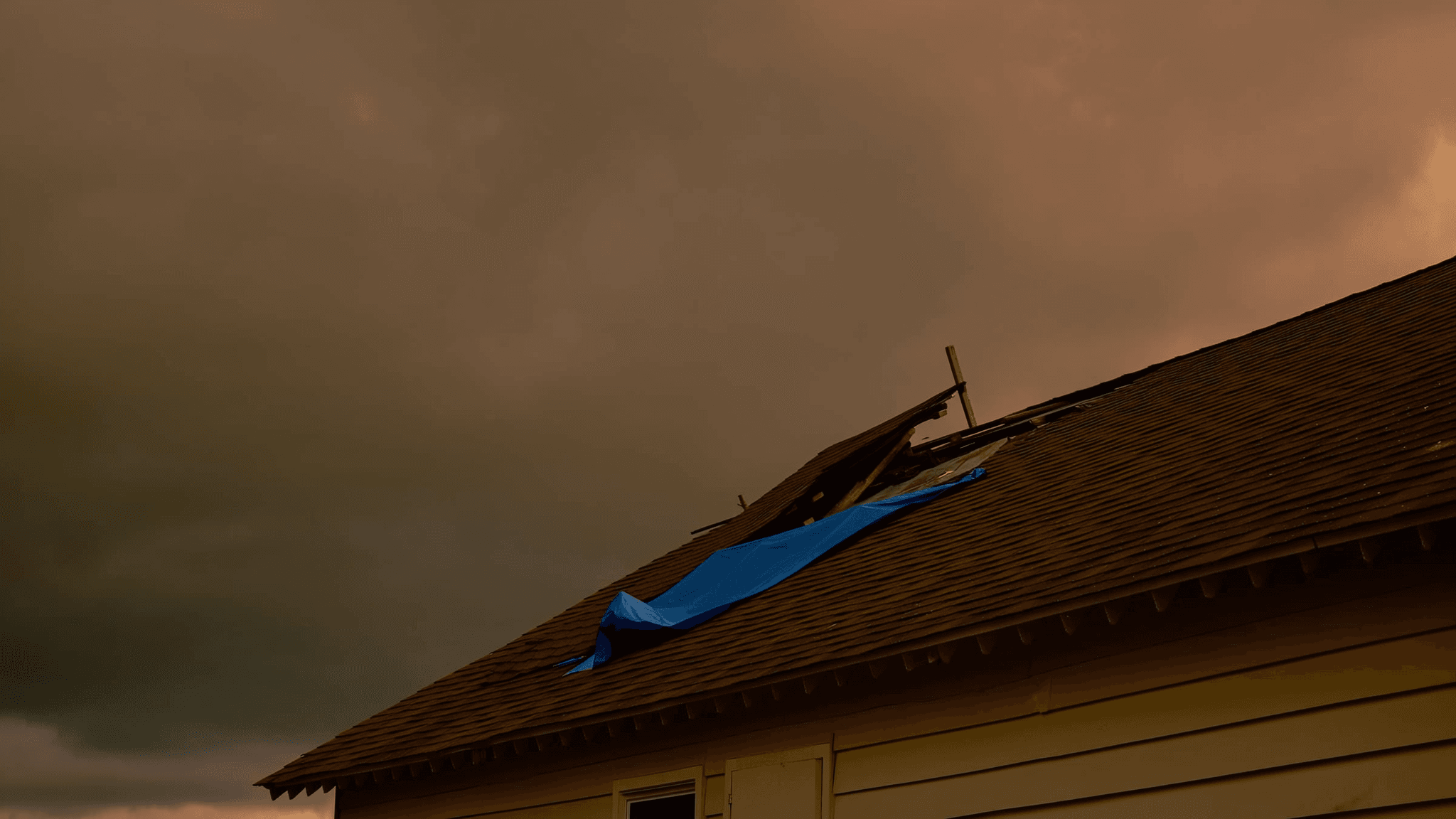
What Happened on June 10, 2025 in McHenry County
At 2:59 PM CDT on June 10, 2025, the National Weather Service office in Chicago, Illinois issued a Severe Thunderstorm Warning for McHenry County. The warning was in effect from 3:00 PM CDT until 3:15 PM CDT. Radar-indicated severe thunderstorms were located along a line extending from near Harvard to near Marengo to near Hampshire, moving northeast at approximately 45 mph.
The primary hazard identified by the NWS was wind gusts reaching 60 mph. Hail up to 0.75 inches in diameter was also associated with this storm system. The NWS impact statement was direct: expect damage to roofs, siding, and trees.
Communities confirmed within the affected area include Lake in the Hills, Woodstock, Huntley, Sycamore, Harvard, Marengo, Genoa, Hampshire, Hebron, Union, and Chemung. If your property sits in or near any of these locations, a professional roof inspection is warranted even if visible damage is not immediately obvious from the ground.
Immediate Safety Steps for Homeowners
Once a storm has passed and conditions are safe, there are several immediate steps homeowners should take to protect themselves, their families, and their property. Acting quickly can also strengthen an insurance claim filed in the days ahead.
- Wait for the all-clear. Do not go outside or onto your roof until the NWS confirms the warning has expired and conditions are stable. The June 10 warning moved northeast at 45 mph, but trailing cells can follow.
- Check for downed power lines. Sixty mph wind gusts are sufficient to bring down trees onto utility lines. Treat every downed line as live and keep a safe distance. Contact ComEd immediately if lines are down near your property.
- Document the scene from the ground. Before anything is touched or moved, take dated photos and video of your yard, roofline, gutters, siding, and any visible debris. Use your smartphone so the timestamp is embedded in the file metadata.
- Protect openings with tarps if safe to do so. If a tree limb or debris has punctured your roof or broken a window, temporary weatherproofing prevents secondary water damage. Do not attempt to climb onto a wet or damaged roof without proper equipment and experience.
- Contact your insurance carrier to open a claim. Most carriers have a 24-hour claims line. The sooner a claim is opened, the sooner an adjuster can be scheduled.
- Do not sign anything with a contractor on the spot. Storm chasing contractors often follow severe weather events. Take time to vet any company before signing an agreement or assignment of benefits.
What Damage to Look for After 60 mph Winds and Hail
Wind at 60 mph and hail at 0.75 inches create distinct and sometimes overlapping damage patterns. Knowing what to look for helps homeowners communicate accurately with their insurance adjuster and with a roofing contractor during an inspection.
Roof Damage
Asphalt shingles are the most common roofing material in the Chicago metro and are vulnerable to both wind and hail impact. Wind damage typically presents as lifted shingles, missing shingles, or shingles with broken seal strips. Once the adhesive seal is broken, shingles can curl, fold back, or blow off entirely during subsequent wind events. Hail damage on asphalt shingles appears as dark impact marks where granules have been knocked loose, exposing the underlying mat. While 0.75-inch hail is at the lower threshold of significant hail damage, it is sufficient to accelerate granule loss and reduce the functional life of a shingle roof.
Flashing around chimneys, skylights, and pipe boots is also vulnerable to wind-driven debris. Lifted flashing creates direct pathways for water infiltration that may not be visible from the ground but will cause interior damage over time.
Gutters and Downspouts
Debris accumulation and impact from hail and branches can dent, separate, or pull gutters away from the fascia board. Separated gutters allow water to run behind the fascia and into the soffit, contributing to rot and mold. Check gutter runs for visible dents, separations at seams, and any sections pulling away from the roofline.
Siding
The NWS specifically cited siding as an expected damage category for this storm. Vinyl siding can crack or puncture on direct hail impact. Wind-driven debris leaves impact marks that compromise the water barrier function of the siding system. Look for cracks, dents, punctures, and sections that have blown loose or shifted out of alignment.
Windows and Doors
Inspect window frames, screens, and seals for cracking or distortion. Wind-driven debris can crack glazing or damage the weatherstripping that prevents air and water infiltration.
Trees and Landscaping
Large limb failures or uprooted trees are a primary source of structural roof damage during high-wind events. Even if a tree did not make direct contact with your structure, root disruption near the foundation is worth noting for your records.
Navigating Your Insurance Claim
Filing a storm damage insurance claim is a process that rewards preparation and documentation. The following guidance applies broadly to homeowners in the McHenry County area affected by the June 10 event.
- Open the claim promptly. Most policies require timely reporting of a loss. Do not wait weeks to contact your carrier. Opening a claim does not obligate you to proceed, but it establishes the date of loss while the storm event is current and documentable.
- Request a copy of your declarations page and review your coverage. Understand your deductible, whether you carry actual cash value or replacement cost value coverage, and whether your policy includes a separate wind or hail deductible. Some Illinois policies issued after 2012 carry percentage-based wind and hail deductibles.
- Gather your documentation before the adjuster arrives. This includes your dated photos and video, any repair estimates you have received, and records of prior roof repairs or replacements. A roof with documented maintenance history supports a stronger claim.
- Consider having an independent roofing contractor present during the adjuster inspection. A licensed roofing professional can identify damage items that a non-specialist adjuster may miss, particularly granule loss and flashing damage that requires close-range inspection.
- Review the adjuster's scope of loss carefully. If line items appear missing or values seem low, you have the right to dispute the estimate. A public adjuster or your contractor can help identify discrepancies.
- Keep records of all communications. Note the date, time, and name of every person you speak with at your insurance carrier. Follow up verbal conversations with a brief email summary to create a written record.
Vulcan Construction has worked alongside hundreds of Chicago-area homeowners through the insurance claim process. Our insurance claim packet provides documentation tools, scope-of-loss checklists, and guidance designed to help homeowners present a complete and accurate claim.
How Vulcan Construction Can Help
Vulcan Construction is a roofing-first construction company serving the Chicago metro area. We do not chase storms or pressure homeowners into rushed decisions. Our process starts with a thorough, documented roof inspection that gives you an honest assessment of what the storm did and what your home needs.
Our storm damage services include full roof inspections, photo documentation, damage reports formatted for insurance use, and complete roof replacement and repair when warranted. We work with all major insurance carriers and can coordinate directly with adjusters when needed.
If you are in Lake in the Hills, Woodstock, Huntley, or any of the other McHenry County communities affected by the June 10 storm, we encourage you to schedule an inspection before the next rain event creates secondary damage.
For homeowners who want to understand typical project costs in the Chicago market before committing to an inspection, our Chicago roofing cost guide provides transparent, current pricing information with no obligation.
When you are ready to move forward, request a free estimate and a Vulcan representative will contact you to schedule an on-site assessment at your convenience.
A Note on Roof Readiness for the Future
Events like the June 10 storm are a useful reminder that a roof's condition before a storm determines how much damage a storm can cause. An aging roof with compromised adhesive strips, cracked flashing, or thinning granule coverage is significantly more vulnerable to wind and hail than a well-maintained or recently replaced roof system.
Vulcan Construction also works with homeowners on long-range roof planning, including structural readiness considerations for future energy improvements. While our solar program is in active development as supplier partnerships are finalized, we design and install roof systems with future optionality in mind so that a roof replacement today does not foreclose options tomorrow.
If your home was in the path of the June 10 McHenry County storm, do not wait for visible interior leaks to act. Many of the most costly storm-related repairs begin as small, invisible entry points that compound over weeks and months. A professional inspection now is the most cost-effective step you can take.