
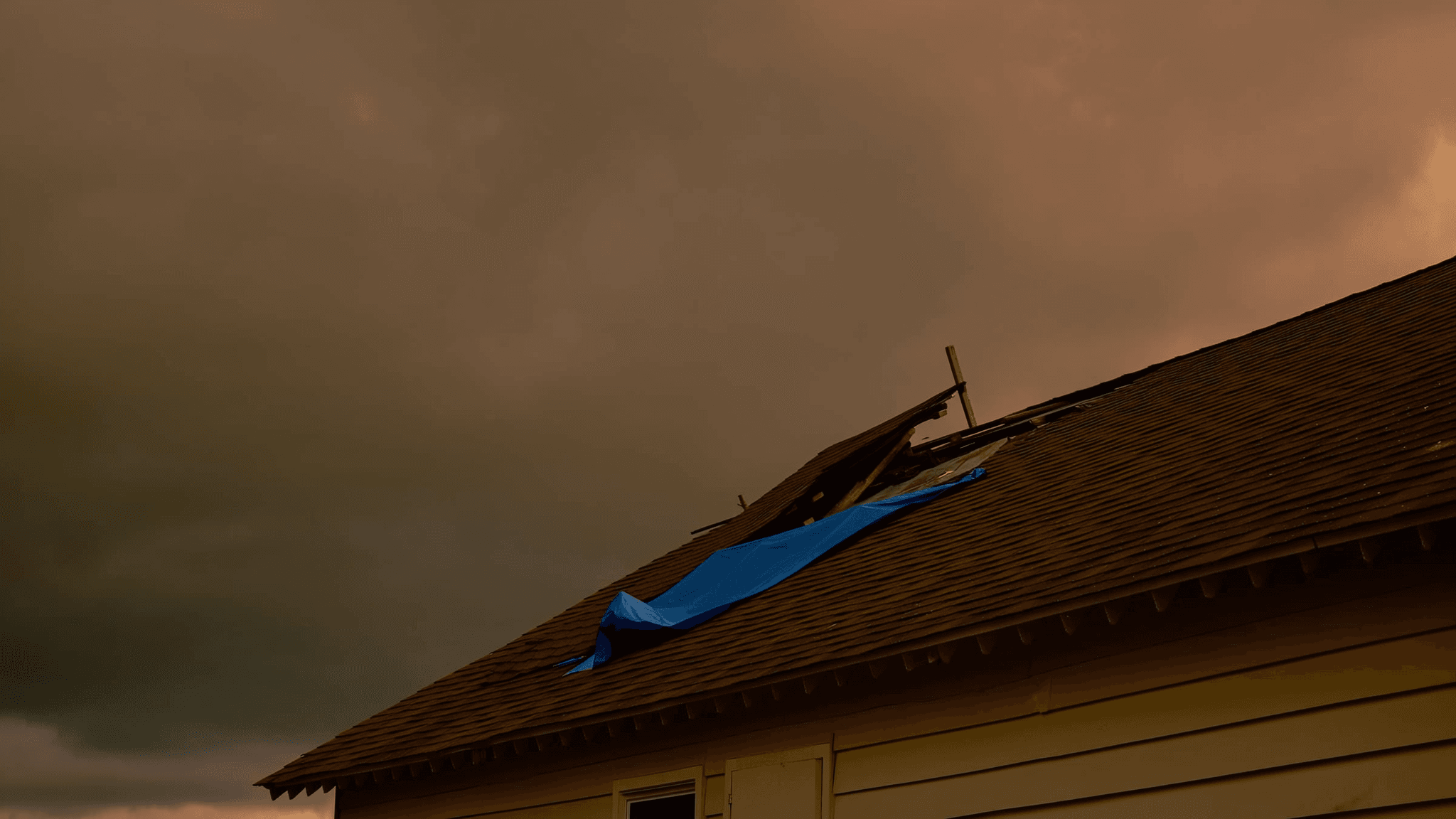
What Happened on June 10, 2026
At 3:21 PM CDT on June 10, 2026, the National Weather Service office in Chicago issued a Tornado Warning for portions of northeastern Illinois. The warning covered southeastern Kendall County, west central Will County, and northeastern Grundy County, and remained in effect until 3:45 PM CDT.
The NWS identified a severe thunderstorm capable of producing a tornado near Morris, Illinois, moving east at 50 miles per hour. The source of the warning was radar-indicated rotation, meaning meteorologists detected the signature of a developing or ongoing tornado on Doppler radar. The primary stated hazard was a tornado, with flying debris identified as the critical impact concern for anyone caught in the path.
A storm moving at 50 mph covers roughly one mile every 72 seconds. For communities along that track in Will and Kendall counties, that left very little time to respond. Whether a tornado touched down or the storm produced straight-line wind damage along its path, the structural threat to homes in the affected area was real and significant.
Immediate Safety Steps for Homeowners
If you were in the warned area, the storm has now passed, but your safety responsibilities are not over. Before you begin any inspection of your property, follow these steps.
- Wait for the all-clear from local authorities. Do not step outside until NWS and local emergency management confirm the warning has expired and conditions are safe. The 3:45 PM CDT expiration time is a guideline, not a guarantee that all hazards have cleared.
- Check for downed power lines before approaching your exterior. A downed line does not always arc or spark visibly. Treat any wire on or near your property as energized and call ComEd immediately.
- Do not enter a structure that shows visible signs of compromise, including leaning walls, a shifted roofline, or a partially collapsed section. Contact your local fire department for a safety check first.
- Document everything before touching anything. Use your phone to photograph your roof, gutters, siding, windows, and yard from multiple angles. Timestamps on photos matter for insurance purposes.
- Secure any openings immediately. If the storm created a breach in your roof or broke windows, use tarps or plywood to prevent further water intrusion. This protects both your home and your claim — most policies require reasonable mitigation steps from the homeowner.
What Roof and Exterior Damage to Look For
Tornado warnings, even when the tornado does not fully touch down, generate the kind of wind conditions that cause serious roof damage. A storm moving at 50 mph and rotating carries winds that can strip shingles, bend flashing, crack ridge caps, and drive debris into decking. Here is what to inspect carefully.
Roof Surface
- Missing or displaced shingles: Look for bare patches, lifted tab edges, or shingles that have shifted out of alignment. Even one missing shingle creates an entry point for water.
- Granule loss: Check your gutters and downspout splash blocks for a heavy accumulation of granules. Significant granule loss shortens the remaining lifespan of your roof.
- Creased or folded shingles: High winds can crease asphalt shingles in ways that are not immediately visible from the ground but represent structural failure in the mat beneath the surface.
- Damaged ridge cap: The ridge is one of the most exposed points on any roof. Missing or cracked ridge cap shingles require immediate attention.
Flashing and Penetrations
- Check all roof penetrations — vents, chimneys, skylights, and pipe boots — for lifted or separated flashing.
- Chimney caps and chase covers are frequently displaced or destroyed in high-wind events.
Gutters and Fascia
- Look for gutters that have pulled away from the fascia board, bent sections, or gutters that are holding standing water due to impact damage.
- Inspect fascia boards themselves for cracks, rot exposure, or impact marks from windborne debris.
Siding and Windows
- Vinyl siding cracks or completely detaches under tornado-level wind pressure. Walk the full perimeter of your home.
- Window frames can be compromised even when the glass holds. Look for shifted frames, broken seals, and water intrusion around the trim.
Attic Interior
- If it is safe to access, inspect your attic with a flashlight for daylight penetration, wet insulation, or water staining on the decking — all indicators of roof breach.
Navigating Your Insurance Claim
Tornado damage claims in Illinois are handled as wind and storm loss under standard homeowners policies. The process can move quickly or stall depending on how well you document and present your claim. Here is how to approach it effectively.
Notify Your Insurer Promptly
Most policies require prompt notification of a loss. Call your insurance company or file online as soon as you have documented the visible damage. Reference the June 10, 2026 Tornado Warning issued by NWS Chicago as your weather event anchor — this is a declared severe weather event with a formal NWS record, which supports your claim timeline.
Do Not Let the Adjuster Be Your Only Set of Eyes
Insurance adjusters work for the carrier. Their job is to assess damage accurately within the terms of your policy, but they are not roofing specialists and can miss secondary or underlying damage. Having an independent contractor inspect your roof before or alongside the adjuster visit gives you documentation that reflects the full scope of loss.
Understand Your Policy Before You Sign Anything
- Know whether you have Actual Cash Value (ACV) or Replacement Cost Value (RCV) coverage. ACV deducts depreciation; RCV pays to replace at current material cost.
- Identify your wind and hail deductible, which is often a percentage of your home's insured value rather than a flat dollar amount.
- Do not sign a direction to pay or an assignment of benefits without fully understanding what you are authorizing.
Vulcan Construction has prepared an Insurance Claim Packet specifically designed to help homeowners in the Chicago market document storm damage, communicate with adjusters, and understand what a complete roofing claim should cover. It is available at no cost.
Why a Roof-First Approach Matters After a Tornado Warning
At Vulcan Construction, every project begins with the roof. This is not a marketing position — it is a structural reality. The roof is the primary line of defense for everything beneath it. A compromised roof, even one with damage that is not immediately visible, creates cascading problems: water intrusion damages insulation and decking, mold develops in attic cavities, and ceiling and wall systems begin to deteriorate over weeks and months.
Getting a professional assessment of your roof within days of a storm event protects both your home and your claim. Delayed inspections make it harder to attribute damage to a specific event, which gives carriers grounds to reduce or deny your claim.
We also work with homeowners who are beginning to think about long-term planning for their homes, including future roof-integrated systems. If solar readiness is something you are considering as part of your next roof replacement, we can discuss what structural and orientation factors to plan for — though active solar installation timelines and pricing are not something we are quoting at this time as we finalize supplier relationships.
Get a Professional Assessment Now
If your home is in Will County, Kendall County, or Grundy County, or anywhere along the track of the June 10 storm system, do not wait for visible leaks before scheduling an inspection. Many of the most costly forms of storm damage are not visible from the ground or the interior until they have already created secondary damage.
You can review the full scope of what Vulcan Construction covers on our storm damage services page, or go directly to our estimate request form to schedule a roof inspection. For Chicago-area homeowners who want a baseline understanding of current roofing costs in this market, our Chicago roofing cost guide provides transparent, current pricing information.
Storm damage does not improve with time. The sooner your roof is assessed by a qualified contractor, the better positioned you are to protect your home and your insurance claim.