
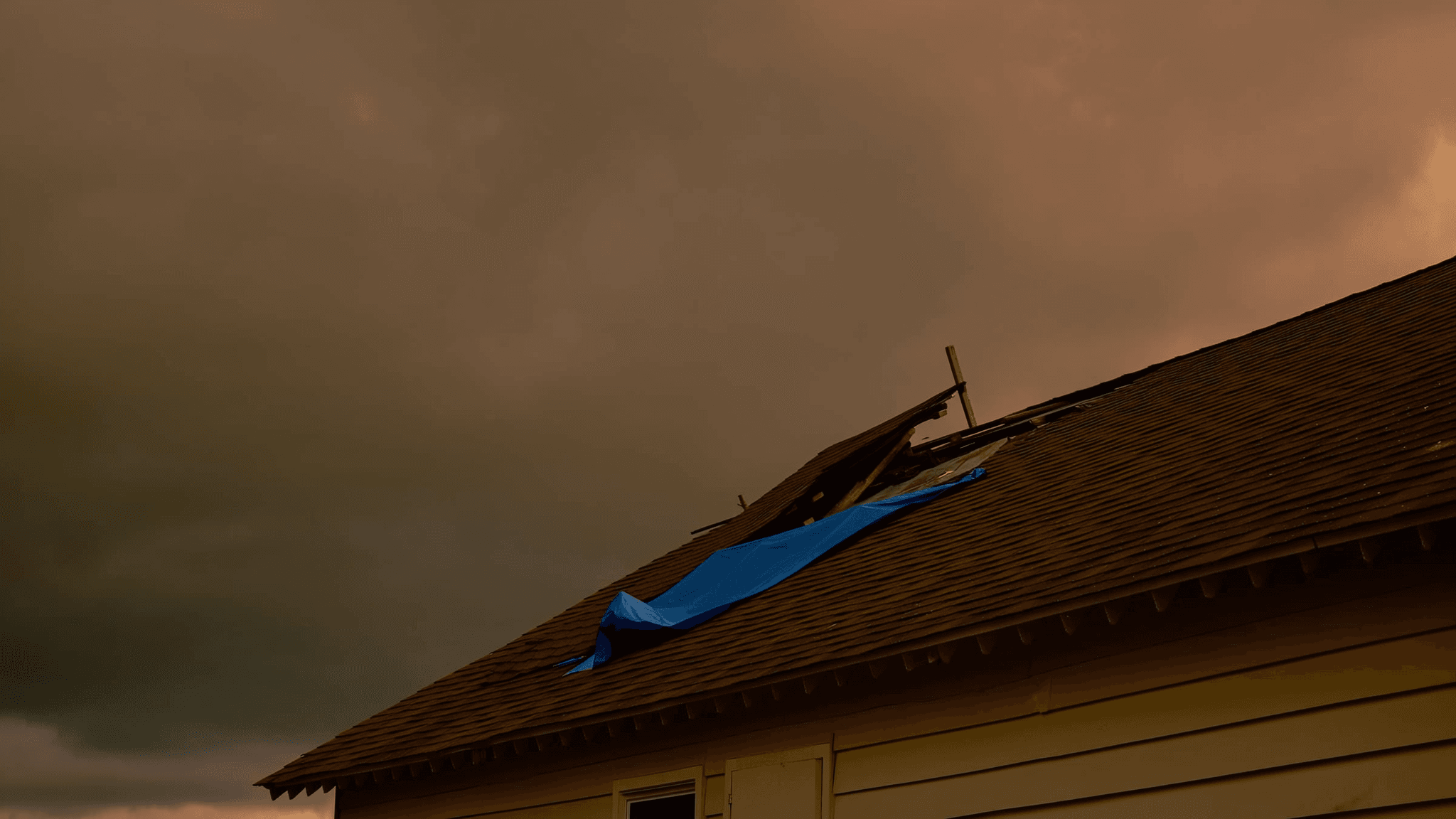
What the NWS Warning Said and Why It Matters for Your Roof
At 2:25 PM CDT on June 11, 2026, the National Weather Service office in Chicago issued a Severe Thunderstorm Warning for Will County, IL and Lake County, IN, in effect until 3:15 PM CDT. According to the NWS alert, severe thunderstorms were located along a line extending from near St. John to near St. Anne, moving east at approximately 40 mph.
The two primary hazards identified in the warning were 60 mph wind gusts and hail up to 0.75 inches in diameter. The NWS explicitly stated that homeowners should expect damage to roofs, siding, and trees — language the agency uses only when conditions are confirmed severe by radar.
Locations directly named in the warning include Merrillville, Schererville, Hobart, Crown Point, Cedar Lake, Lowell, Momence, Lake Village, St. John, Crete, Lakes of the Four Seasons, Winfield, Beecher, Roselawn, Lake Dalecarlia, Grant Park, Aroma Park, Hopkins Park, and Shelby. If your property sits in or near any of these communities, your roof, siding, and gutters should be treated as potentially compromised until a professional inspection confirms otherwise.
Immediate Safety Steps for Homeowners
Before you assess any damage to your property, make sure the storm has fully passed and conditions are stable. Rushing outside during or immediately after a severe thunderstorm introduces unnecessary risk from downed power lines, unstable trees, and debris on walkways. Once it is safe to move around your property, follow these steps in order.
- Stay off the roof entirely. Post-storm roofing surfaces can be slick, and structural damage may not be visible from the outside. Leave the physical inspection to a licensed roofing contractor.
- Walk the perimeter of your home from the ground. Look for visible missing shingles, displaced flashing, damaged gutters, or debris that has made contact with the structure.
- Check your attic. If it is safe to access, look for daylight penetration, water staining on rafters, or wet insulation — all signs of a compromised roof deck.
- Document everything with photos and video. Timestamp your documentation. Your insurance adjuster will rely heavily on post-storm evidence you provide.
- Cover any obvious interior water intrusion points with plastic sheeting or tarps to prevent secondary water damage while you wait for professional assessment. Keep all receipts for materials used.
- Do not authorize repairs from door-to-door contractors who approach you unsolicited in the days following a storm. Work with a licensed, established roofing company that you initiate contact with.
What Storm Damage Looks Like After 60 mph Winds and Hail
Understanding what to look for helps you communicate clearly with both your roofing contractor and your insurance adjuster. Wind and hail leave distinct damage signatures, and knowing the difference matters for your claim.
Wind Damage at 60 mph
Wind gusts at 60 mph exert significant mechanical force on roofing materials. The NWS classifies this as damaging wind, and the evidence often shows up in specific ways:
- Lifted or missing shingles, particularly at roof edges, ridges, and around penetrations like vents and chimneys where wind gets underneath
- Creased or folded shingles that appear intact from a distance but have broken the internal fiberglass mat
- Displaced flashing around chimneys, skylights, and pipe boots
- Damaged or detached gutters and downspouts due to debris impact or wind load
- Dented or cracked siding panels, especially on the windward face of the structure
- Fallen tree limbs or branches that may have made contact with the roof surface or fascia
Hail Damage at 0.75 Inches
Three-quarter-inch hail is large enough to cause functional damage to asphalt shingles and softer metals. It may not look catastrophic from the ground, but it degrades the materials that protect your home from water intrusion over time.
- Granule loss on asphalt shingles, visible as dark spots or bare patches — granules may also collect in gutters and downspout splash blocks
- Soft-metal damage on ridge caps, step flashing, gutters, downspouts, AC condenser fins, and vent caps — denting on these surfaces is a reliable proxy for shingle impact
- Bruising on shingles, felt as soft depressions when pressed and visible as circular dark spots, indicating the fiberglass mat beneath has fractured
- Cracked or split wood shakes, if your home has an older wood shake roof
If you are unsure what you are looking at, review Vulcan Construction's storm damage services to understand what a professional inspection covers and what it costs you to get one scheduled.
How to Handle Your Insurance Claim
A Severe Thunderstorm Warning with confirmed radar-indicated hazards like this one creates a documented meteorological record that supports homeowner insurance claims. That record works in your favor — but only if you file promptly and document correctly.
File Your Claim Promptly
Most homeowner insurance policies include language about timely reporting of storm damage. Waiting weeks to file after a named weather event can complicate your claim. Contact your insurer within 24 to 72 hours of the storm, even if you have not yet had a professional inspection. You can report a potential loss and then supplement the claim once an inspection is complete.
Get a Contractor Inspection Before the Adjuster Visits
Insurance adjusters work on behalf of the insurance carrier. Having an independent, licensed roofing contractor inspect your property before or alongside the adjuster gives you an advocate who understands the scope of damage from a construction standpoint. A contractor's written damage assessment gives you a basis to dispute any findings you believe are incomplete.
Keep All Documentation Organized
- Photos and video with timestamps taken immediately after the storm
- The NWS warning itself — save the original alert URL or a printed copy
- Any temporary repair receipts
- Your contractor's written inspection report and estimate
- All correspondence with your insurer, including claim numbers and adjuster names
Vulcan Construction has assembled resources specifically for homeowners navigating the insurance process after storm damage. Download our insurance claim packet to get organized before your adjuster appointment.
Understand Your Policy Before You Sign Anything
Review your policy for your deductible amount, whether you carry Replacement Cost Value (RCV) or Actual Cash Value (ACV) coverage, and any exclusions related to maintenance or pre-existing conditions. RCV policies pay to replace damaged materials with like kind and quality at current prices. ACV policies depreciate the payout based on the age of the materials. Knowing which you carry changes how you approach the claim and what out-of-pocket costs to expect.
What Comes Next for Your Roof
If this storm caused damage to your roof or exterior, the decision-making process ahead involves more than just patching what is visibly broken. A roof system works as an integrated whole — shingles, underlayment, decking, flashing, ventilation, and drainage all interact. Damage in one area often has implications for adjacent components that are not always obvious during a surface-level inspection.
Vulcan Construction approaches every post-storm assessment as a full roof system evaluation. We document what we find, explain what needs immediate attention versus what can be monitored, and give you honest guidance on whether repair or full replacement is the appropriate path given the extent of damage and the age of your existing roof.
We also plan every roofing project with long-term performance and future readiness in mind — including structural and load considerations that support future upgrades like solar, when the time is right for your home and your budget.
If your home was in the path of the June 11 storm, request a storm damage estimate to get a licensed Vulcan Construction inspector on your property. You can also review roofing cost information for the Chicago market to understand what current material and labor pricing looks like in your area before your inspection appointment.
Storms like this one move fast. The damage they leave behind does not go away on its own. Acting within the first few days after a weather event gives you the best documentation, the best claim outcome, and the most control over how and when your home gets repaired.