
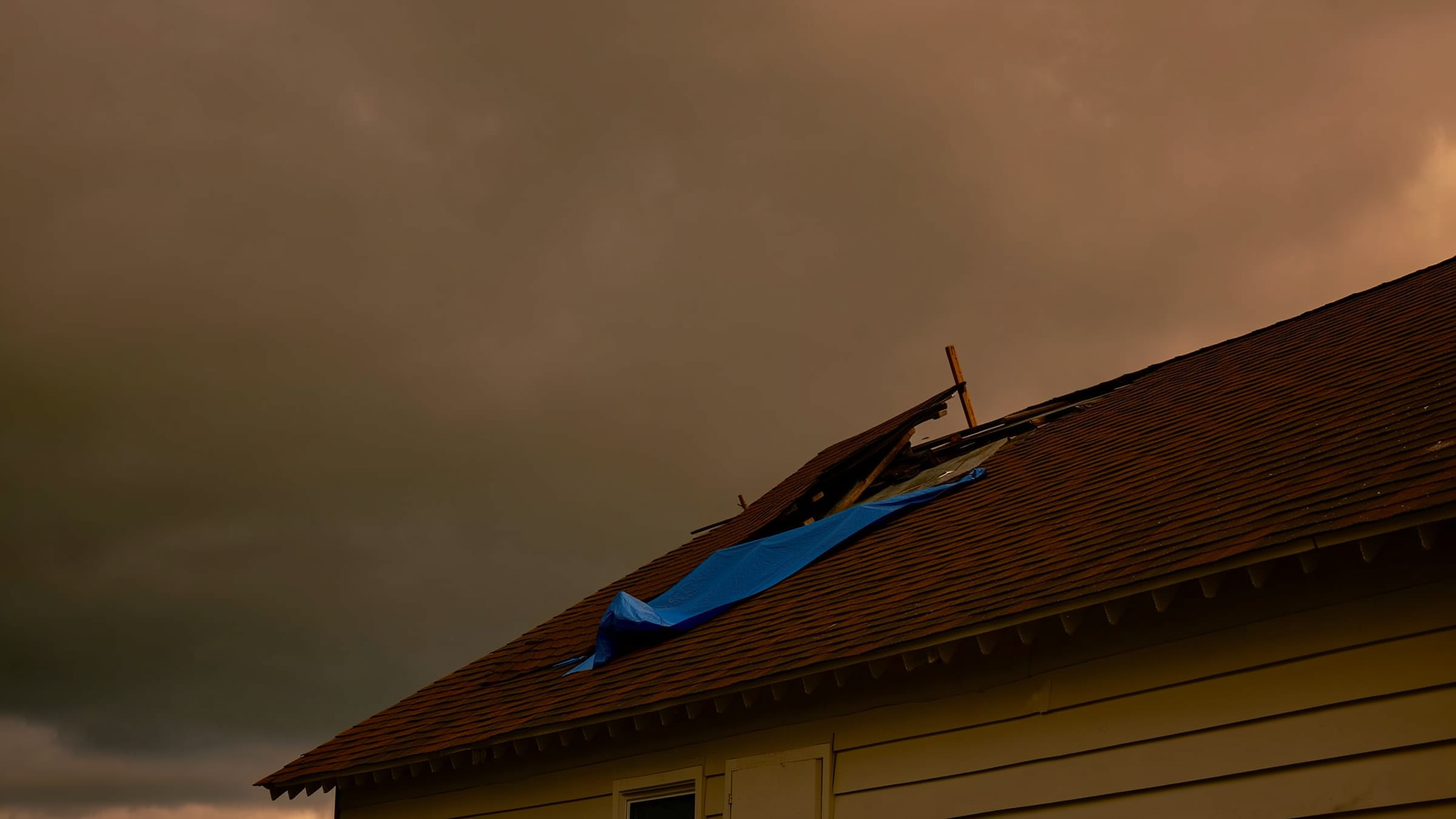
Adjusters Are Not Roofers
Here is something most homeowners do not realize: the person your insurance company sends to inspect your roof is an adjuster, not a roofing contractor. They are trained to assess damage and estimate costs, but they do not install roofs for a living. Many of them handle auto claims, property claims, and everything in between.
That does not make them incompetent. It makes them generalists. And generalists miss things that specialists catch every single time.
What Hail Damage Actually Looks Like
Hail damage on asphalt shingles is not always obvious. Here is what to look for:
- Bruising: Press on the shingle and feel for soft spots. Hail impact breaks the fiberglass mat underneath the granules. The shingle might look fine on the surface but be structurally compromised.
- Granule displacement: Dark spots where granules have been knocked loose. Check your gutters and downspout splash zones -- if you see piles of granules, your shingles took hits.
- Cracking: Larger hail creates visible cracks or fractures in the shingle surface.
- Dents in metal components: Vents, flashing, and gutters show hail damage clearly. If your aluminum gutters are dented, your shingles took the same hits.
What Adjusters Commonly Miss
In our experience meeting adjusters on roofs across St. Louis, here are the most frequently overlooked items:
- Soft metal damage: Pipe boots, ridge vents, and drip edge that show impact marks. These are often excluded from the initial estimate.
- Starter shingles and hip/ridge caps: Adjusters tend to focus on field shingles and skip the specialty components. These are often the first to fail after hail impact.
- Collateral damage: Skylights, siding, window screens, and paint damage on trim. Your claim should cover all storm-related damage, not just the roof.
- Underlayment and decking: If the shingles are compromised, the underlayment beneath them often needs replacement too. This is a common supplement item that adjusters leave out of the first estimate.
Why You Need Your Own Expert on the Roof
You have the right to have a contractor present during your adjuster's inspection. We strongly recommend it. A qualified roofer can point out damage the adjuster walks past, provide proper material specifications, and ensure the scope of work matches what actually needs to be done.
This is not adversarial. It is due diligence. Your insurance company writes you a check based on what the adjuster documents. If they miss half the damage, you get half the money.
What to Do If Your Claim Feels Low
If the initial estimate comes back and it does not cover a proper repair or replacement, you have options:
- Request a re-inspection with your contractor present
- File a supplement with detailed documentation of missed damage
- Escalate to a supervisor or field manager at the insurance company
We handle supplement negotiations regularly. Contact us if your claim feels short -- we will review it and tell you honestly whether it is worth pushing back.