
What Happened on April 23: NWS Springfield Issues Severe Thunderstorm Warning for St. Clair County
At 10:37 PM CDT on April 23, the National Weather Service office in Springfield, Missouri issued a Severe Thunderstorm Warning for western St. Clair County in west central Missouri, along with northern Bourbon County in southeastern Kansas and Vernon County in west central Missouri. The warning remained in effect until 11:30 PM CDT.
According to the NWS, severe thunderstorms were located along a line extending from Adrian to near Hume to near Uniontown at the time of issuance, moving east at approximately 30 mph. The threat was radar-indicated and included two primary hazards: wind gusts up to 60 mph and quarter-size hail measuring 1.00 inch in diameter. Both are capable of causing significant damage to roofs, siding, gutters, and other exterior building components.
Storms of this intensity are not uncommon across the Missouri and Kansas region in spring, but the speed at which this system moved east means many homeowners may not have had adequate warning to take protective action. If your property falls within or near the affected area, a thorough post-storm inspection is not optional — it is necessary.
Immediate Safety Steps for Homeowners
Once a storm has passed and conditions are confirmed safe, there are several steps homeowners should take right away. Acting quickly can prevent secondary damage and strengthen your insurance claim.
- Wait for the all-clear. Do not go outside or onto your roof while lightning is still in the area. Check local alerts through the NWS or a weather app before leaving shelter.
- Walk your property from the ground. Look for visible signs of damage — missing shingles, displaced flashing, fallen branches, or dented gutters — without climbing onto the roof yourself.
- Document everything with photos and video. Time-stamp your documentation. Photograph your entire exterior, including the roof line, siding, windows, gutters, and any vehicles or structures on your property.
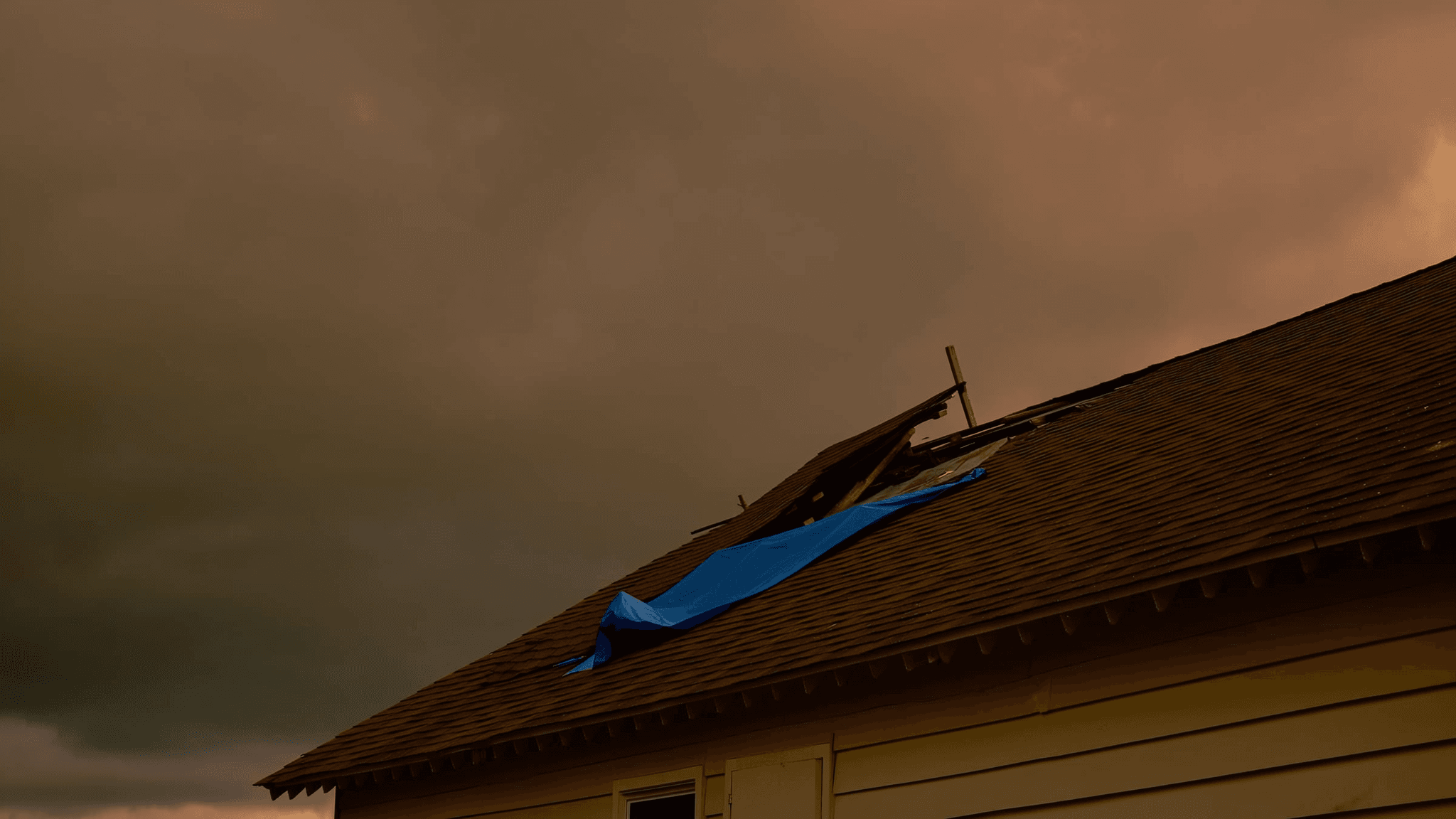
- Cover exposed areas if it is safe to do so. If you can see obvious roof penetrations or missing shingles, use a tarp to limit interior water intrusion until a professional can assess the damage.
- Avoid making permanent repairs before your insurance adjuster visits. Temporary protective measures are appropriate and encouraged. Permanent repairs made before an adjuster documents the damage can complicate your claim.
- Contact your insurance company to report the loss. Most policies require prompt notice of a claim. Do not delay this step.
- Schedule a professional roof inspection. Request a free estimate from Vulcan Construction to get an accurate assessment of what the storm did to your roof and exterior.
What Roof and Exterior Damage to Look For After This Storm
A storm producing 60 mph winds and one-inch hail is capable of causing damage that ranges from cosmetic to structurally significant. Some of that damage will be obvious immediately. Other damage — particularly hail impact on asphalt shingles — is often invisible from the ground and requires a trained eye to identify properly.
Hail Damage Signs
Quarter-size hail at 1.00 inch is large enough to bruise or crack asphalt shingles, dent metal flashing, crack ridge caps, and damage soft metals like gutters, downspouts, and vent covers. On asphalt shingles specifically, hail impact creates circular bruise marks where the granule surface has been knocked loose. Over time, these exposed areas accelerate shingle deterioration and allow water infiltration.
- Circular dents or dark spots on asphalt shingles where granules have been displaced
- Dents on aluminum or steel gutters, downspouts, and flashing
- Cracked or split shingles along the ridge or edges
- Granule accumulation in gutters or at downspout outlets
- Damaged or cracked skylights, roof vents, or pipe boots
Wind Damage Signs
At 60 mph, wind gusts can lift shingle tabs, tear off ridge caps, separate flashing from chimneys and walls, and deposit large debris directly onto roofing surfaces. Wind damage is often more visible from the ground than hail damage, but partial lifting or cracked seals may not be apparent without a closer inspection.
- Missing or visibly lifted shingles
- Shingles that appear to be curling, buckling, or out of alignment
- Debris impact marks or punctures in roofing material
- Separated or pulled-away flashing around chimneys, skylights, or walls
- Damage to soffits, fascia, or siding from wind-driven debris
- Fallen tree limbs or branches on or near the roof surface
For a full breakdown of storm damage types and what to expect from a professional inspection, visit our storm damage services page.
How to Handle Your Insurance Claim After This Storm
Navigating a homeowner's insurance claim after storm damage can feel overwhelming, particularly when you are dealing with a damaged home at the same time. Understanding the process in advance puts you in a much stronger position when working with your insurer.
Step One: File Your Claim Promptly
Contact your insurance carrier as soon as possible to report the damage. Most policies require timely notice, and delays can be used by insurers to question whether the damage actually resulted from the storm event. Reference the April 23 Severe Thunderstorm Warning issued by NWS Springfield when speaking with your adjuster — documented weather events with official NWS issuances are important supporting evidence for your claim.
Step Two: Get an Independent Contractor Estimate
Your insurance company will send an adjuster to assess the damage, but you are not required to accept their estimate without question. Having an independent estimate from a qualified roofing contractor gives you a basis for comparison and ensures you are not undercompensated for the actual scope of work needed. Schedule your free estimate with Vulcan Construction here.
Step Three: Understand Your Policy
Review your homeowner's policy before your adjuster arrives. Key terms to understand include your deductible amount, whether your policy covers actual cash value or replacement cost value, and whether your policy includes a separate wind or hail deductible. These distinctions significantly affect the final payout on your claim.
Step Four: Use the Right Resources
Vulcan Construction provides homeowners with an insurance claim packet designed to help you understand the documentation process, communicate effectively with your adjuster, and ensure nothing is missed during the claims process. Download our insurance claim packet here.
Step Five: Know Your Costs
Understanding what roof repair or replacement typically costs in your area helps you evaluate whether your insurance settlement is fair. Review our St. Louis roofing cost guide to get a realistic picture of local pricing before you agree to any settlement figure.
Why Acting Now Matters
One of the most common mistakes homeowners make after a storm is waiting too long to act. Insurance policies have claim filing deadlines, and many carriers impose stricter scrutiny on claims filed weeks or months after a storm event. Additionally, undetected roof damage allows water to penetrate your home incrementally — leading to mold growth, insulation damage, and structural deterioration that compounds repair costs far beyond what the original storm damage would have required.
The storm that moved through western St. Clair County and surrounding areas on April 23 was significant. Sixty mph winds and one-inch hail are not minor weather events. Even if your home looks intact from the street, the only way to know with certainty is a professional inspection by someone who knows what storm damage looks like at close range.
Vulcan Construction serves homeowners across the St. Louis metro area and is ready to help you assess damage, document your loss, and get your roof back to pre-storm condition. Contact us today to schedule your free storm damage estimate.